

Decoding the Materials Behind Ferragamo Bags and Craftsmanship
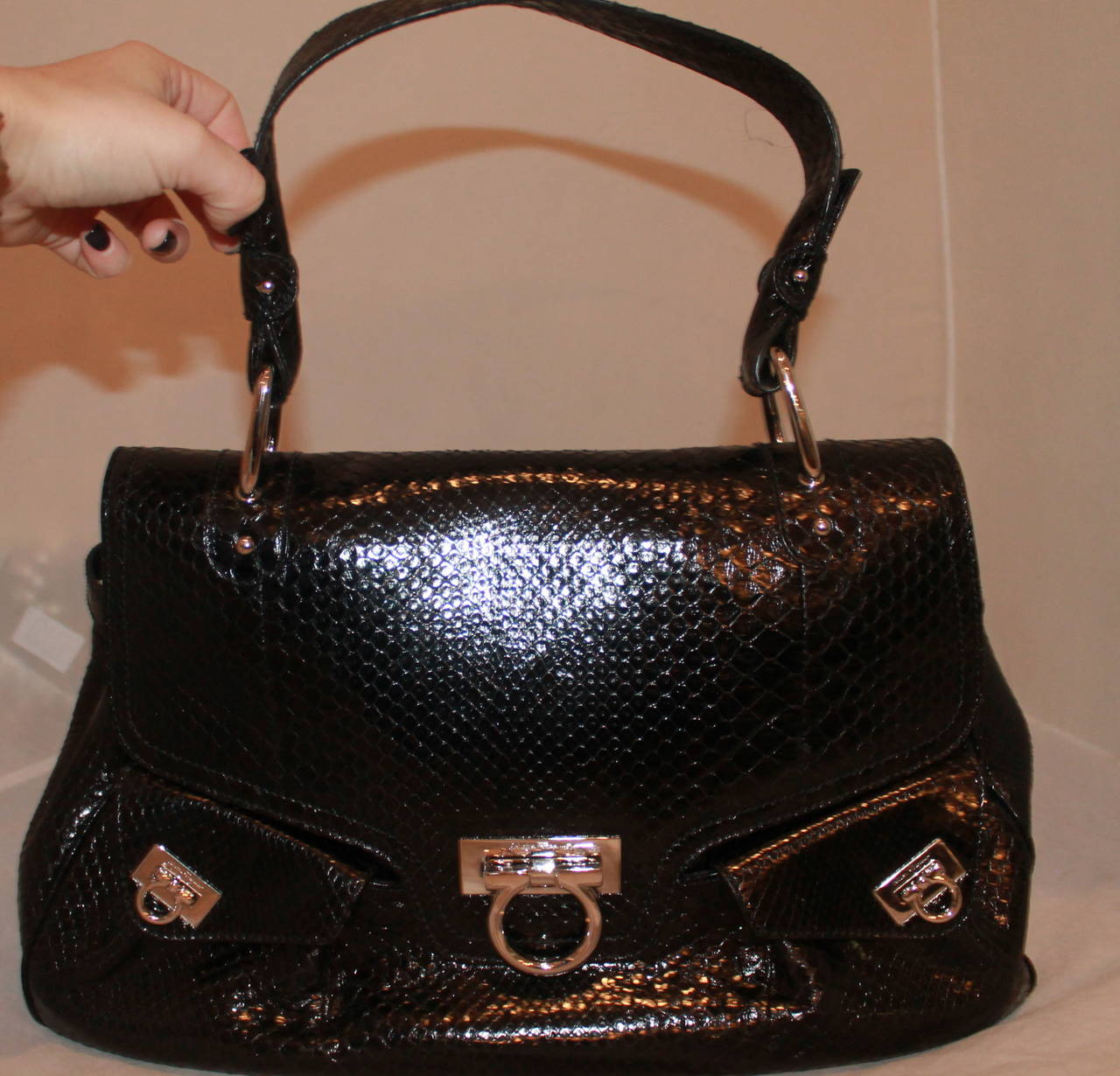
Well before leather goods took center stage, Salvatore Ferragamo earned its reputation in footwear — and that construction-first heritage continues to underpin every Ferragamo bag turned out today. Someone new to a Ferragamo shop initially will notice the vocabulary is different from standard fashion shopping — calfskin grades, hardware finishes, artisanal stitching methods — because the brand approaches bags like built objects instead of passing trend pieces. Knowing what justifies the cost helps a customer shop with discernment instead of relying on branding alone. This overview details the materials, construction techniques, and hallmarks that distinguish a expertly built Salvatore Ferragamo bag from an item that’s branded but little else. We also examine how these choices hold up under daily use, because craftsmanship only matters if it holds up to actual use. Ultimately, you should be able to look at a Ferragamo bags overview on any product listing and understand what to ask before buying.
Leather Types Used Across the Collection
Ferragamo relies mainly on calfskin, but quality varies within calfskin itself, and the house applies a range of different finishes depending on what the bag is designed for. Smooth calfskin is the most common choice for structured handle-style bags because it maintains its form without dense internal support. Textured Saffiano-type hides are used for bags intended for everyday use, since the cross-hatch grain ferragamo handbags withstands surface marks better than a polished finish. You’ll find suede and nubuck on occasion-driven or nighttime pieces, selected for their soft hand and rich color rather than durability, so they call for extra caution in use. Python and crocodile, among other exotic hides, turn up in limited editions and carry noticeably higher prices due to how intricate their sourcing and tanning process is. Patent leather, finished with a glossy lacquer layer, gives certain Salvatore bag styles their high-gloss look and is better at repelling water than leather without treatment. Recognizing which leather a bag uses tells you nearly all you need to know regarding how it will age, scuff, and clean.
Vara Bow Details and Gancini Hardware
Throughout generations of Ferragamo handbag design, two signature elements resurface again and again: the Vara grosgrain bow and the stirrup-style Gancini fastener. The Vara bow, first introduced on footwear in 1978, eventually crossed over to handbags and keeps appearing on new releases, usually rendered in leather or fabric ribbon stitched directly onto the flap or strap. That Gancini hardware, a stirrup-form metal clasp, has origins that predate the bow and works as a fastening device and a signature brand cue on a large share of popular models. These elements are not decorative afterthoughts — they carry real structural or functional weight, meaning the choice of metal alloy affects how long the piece lasts. Higher-grade hardware resists tarnishing and holds its plating after years of buckle and clasp use, and this explains why earlier-era Ferragamo items on the resale market often retain their shine. Bargain metal fittings on unauthorized listings tend to oxidize or discolor within a year, a quick way to spot a suspect “ferregamo” post offered outside of authorized sellers. While browsing for a bag, inspecting the fittings’ weight and surface finish tells you just as much as assessing the leather itself.
What Construction Details Signal Real Quality
Ferragamo’s Florentine craft studios depend on methods that go back to classic Italian leathercraft apprenticeship, including hand-cut panels and edge-painting done in multiple thin coats rather than one thick layer. The importance of edge painting is often overlooked by buyers: a well-done edge holds up against flexing without splitting, while a rushed job shows fraying within months. Stitch density is another marker — check for uniform, secure stitching along pressure zones including handle attachments and zip tracks, since loose threads in those spots are typically where bags fail first on any leather bag. Bags with a structured shape often rely on a fortified base, occasionally fitted with metal feet, to stop sagging under weight, a minor feature that can influence resale value down the line. Lining materials differ, spanning logo-jacquard cloth and smooth leather, with leather-lined interiors usually appearing on higher-end bags and commanding a price premium accordingly. Hardware attachment points, particularly on shoulder straps and crossbody chains, are reinforced with additional stitching or metal rivets rather than glue alone, which is a crucial factor that separates a durable investment from a short-lived one.
A Guide to Assessing a Bag Pre-Purchase
Ahead of any purchase, whether you’re browsing physically or via a Ferragamo shop online, running a short physical inspection can save you remorse down the line. As a first step, inspect the leather grain under good illumination for uniformity — slight irregularity is to be expected, but patchy color suggests a inferior hide. As a second step, test the zipper and clasp mechanisms more than once, since fluid, unobstructed motion is a sign of well-fitted hardware. Third, check alignment: pockets, straps, and stitching lines should mirror each other precisely, as asymmetry often indicates a flawed unit or non-authentic piece. Fourth, sniff the leather — genuine high-grade leather has a faint, earthy smell, while chemical or plastic odors can point to man-made alternatives or poor tanning. Fifth, examine the interior stamp and authenticity card, standard inclusions with genuine Salvatore Ferragamo bags sold through approved sellers. To conclude, think about the bag’s everyday role; a soft suede shoulder bag and a structured saffiano tote serve very different daily requirements, and aligning the fabric choice with how you live guards against early deterioration.
Comparing Popular Ferragamo Bag Categories
The different families of bags within the collection rely on varying material approaches, and comparing them side by side makes clear which might work best for a given buyer. The table below summarizes four widely referenced categories among shoppers researching the best Ferragamo bags and top Ferragamo bags for routine use versus special events.
| Bag Category | Main Material | Typical Hardware | Most Suitable Occasion |
|---|---|---|---|
| Top-Handle, Structured Design | Sleek calfskin leather | Shiny Gancini-style clasp | Office, formal daytime |
| Everyday Tote | Saffiano-textured leather | Reinforced metal rings | Everyday travel and commuting |
| Evening-Style Clutch | Suede or satin material | Sleek Vara bow accent | Evening occasions and events |
| Crossbody | Grained or textured hide | Chain or leather strap with clasp | Relaxed outings, hands-free convenience |
Before narrowing down to specific models, this type of groundwork proves useful, since how often and where a bag gets carried should inform the material choice. A structured top-handle bag in smooth calfskin, for example, is a mismatch for someone who needs a rugged daily bag exposed to weather, while a saffiano tote handles that environment with considerably less worry.
How to Maintain Your Ferragamo Bag for the Long Run
People who keep up steady upkeep are favored by Ferragamo’s bags, since understanding fabrications and leathers only pays off when combined with correct upkeep. Fine calfskin should be treated on a regular few-month cycle with a purpose-made leather treatment to prevent dehydration and surface fissures, especially in dry climates. Suede pieces need a dedicated brush and should never come into contact with water, since moisture leaves permanent dark spotting on the nap. Textured and Saffiano leathers are more tolerant but still are improved by wiping with a slightly damp cloth to clear away grime before it embeds in the grain. Hardware should be kept dry and occasionally polished with a soft cloth, avoiding abrasive cleaners that strip plating. How you store the bag matters as well — lightly stuffing the bag to preserve its shape and storing it in a dust bag out of direct sunlight guards against both sagging and fading. Bags stored improperly for even a single humid season can develop mold on interior linings, an avoidable and costly mistake.
Making a Confident Choice
Deciding between the Salvatore Ferragamo bag lineup is far more manageable once you recognize what you’re really paying for — the leather’s grade, hardware quality, hand-finishing effort, and build techniques that dictate how the bag holds up over time. An educated shopper comparing options in a Ferragamo shop can move past marketing language and judge a bag the way an artisan would: via feel, seam quality, and heft. Regardless of whether the aim is an investment-grade structured bag or a hardy daily-use option, matching material to purpose is the most trustworthy approach to get durable, long-run worth. It’s not always the priciest bags in a season’s lineup that stand out as the best Ferragamo bags — rather, it’s the ones whose materials and build match their real-world use. With this understanding in place, evaluating any Ferragamo bag roundup — whether new arrivals or archival designs — becomes a much more assured process.