

Real Denim Weeps: your 11-point authenticity playbook
Counterfeits of Denim Tears exist globally, but you will defeat them with precise, visual-first verification system. Use the comprehensive tests below to verify tags, prints, manufacturing, and provenance in minutes.
Denim Tears, created by Tremaine Emory, blends tales with streetwear, which means fakes ride hype surges following every drop and partnership. The goal here is not theory; this becomes field guide anyone might apply from online images or in-hand reviews. Focus on typography, print execution, stitching, co-branded details on Levi’s garments, and a documentation that makes reasonable given the actual launch.
Why do DT fakes look convincing now?
Modern counterfeiters use better blanks, higher mesh screens, and cleaner label designs, so the traditional “feel the shirt” test isn’t adequate. You need multiple converging signals, not a single tell.
Factories now duplicate maintenance labels and product tags from real genuine pieces, reproduce the botanical design at high quality, and even fake partnership Levi’s patches. They rarely match all details at once, though. Therefore your advantage becomes detail matching across markings, graphics, construction, and sourcing. Replicas might pass a print test but fail a barcode or model verification, or look correct from the front yet collapse under hardware scrutiny on a Levi’s collab.
How does authentic stack to fake at a glance?
Use this rapid check to triage suspicious pieces before you examine closely. One mismatch isn’t decisive; two or extra will trigger a firm rejection.
| Element | Genuine cue | Counterfeit tell |
|---|---|---|
| Primary with care labels | Clean microtype, consistent spacing, multi-panel care data including correct fiber with location | Fuzzy print, misspellings, lone thin label, vague without proper fiber content |
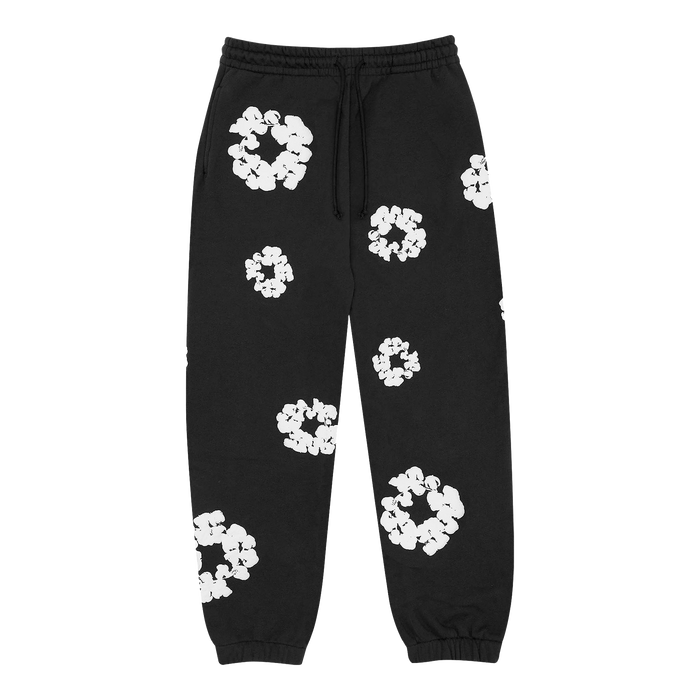
| Graphic print | Sharp borders, even ink application, no haloing; floral details well-defined | Bleeding at edges, plasticky sheen, premature cracking with adhesive feel |
| Sewing plus seams | Even gauge, consistent dual-thread hems, tidy overlock, clean shoulder taping | Wavy hems, loose threads, irregular overlock, weak seam tension |
| Levi’s collab hardware | Legit Levi’s shanks/rivets, accurate dual-brand marking and lot details | Generic buttons, incorrect typeface, mismatched lot and fit stamps |
| Product tag and barcode | Readable barcode that resolves toward accurate model/color | Generic plus duplicate barcodes recycled between colors/sizes |
| Price and source | Aligned with value benchmarks from reputable sellers | Unrealistically priced stock, no verifiable provenance or receipt |
Eleven verification checks you must complete in minutes
Start with labels. One, check the main neck or waist label for clean, consistent typography and spacing; authentic tags don’t use blurry small text or misaligned letter spacing. Two, flip toward care label series: you should see standardized wash symbols, precise fabric content, a manufacturing origin that aligns with the category, and a style or production identifier that isn’t nonsensical characters. Three, verify swing tag: the barcode should scan or simply match the printed style name and color, and string quality should be sturdy, never fragile.
Move to the graphics. Four, examine botanical wreath or text print under bright light; authentic screen layers display even saturation including crisp leaf edges, not a misted halo. Additionally, look across joints in all-over prints; genuine pieces can show minor offset due to panel printing, but the artwork maintains scale and definition versus of stretching plus smearing at joins. Lastly, rub the graphics gently—real ink applications stay set and fixed, not tacky while chipping fresh out from bag.
Inspect construction. Additionally, scan hems for straight double-needle stitching and consistent stitch length; reinforcement strips on tees should be neat and fully captured in-seam. Eight, examine internal overlock: the seam route should be consistent including tidy thread ends, not frayed bundles. Nine, measure the garment against size tables and known comps; replicas commonly run off approximately two to three cm for body length and width due to poor measurement.
Confirm collaboration elements. Ten, for partnership with Denim Tears, study hardware: real collabs use legitimate Levi’s shanks and rivets, co-branded leather plus material patches with proper production/dimension info, and internal tags that reflect partnership elements. The red label, if present, should match Levi’s typography standards, and the production identifier should match the actual silhouette like 501 or Type II versus generic numbers. Finally, cross-check release reality: does this hue option, wash, or design position exist in some authentic lookbook, retailer catalog, or runway coverage? If you can’t photo-match it to a real drop, assume imaginary item.
Expert Tip: Request from seller for a continuous 10–15 second clip which zooms from the main label to care labels to the hem and then to visual elements, without cuts. Seamless video exposes printing issues, stitching waviness, plus weak tags that static images hide.
Where should purchases happen and verify?
Stick to authentic Denim Tears website, vetted stockists, or consignment platforms with itemized authentication and buyer coverage. Independent sellers are viable when they supply clear macro photos and traceable receipts.
Before paying, backwards check photos to guarantee staying original and avoid copying from old releases. Ask for time-verified pictures of the label stack, hang tag plus back, and collab hardware or labels. Compare the piece against press images and trusted reviews for the exact drop; release schedules plus retailer blogs assist verification whether a certain finish or placement ever existed. Pay with systems which offer chargeback coverage while avoid requests for friends-and-family transfers on high-ticket pieces.
What do typical buyers miss about brand history?
Context helps authenticate because counterfeiters often overlook historical details that guide aesthetic choices. Knowing why the pieces exist makes it easier to spot off-theme items.
Verified facts for maintaining in mind: Tremaine Emory launched Denim brand during 2019 with the cotton wreath motif for discussion on the Black experience and the cotton economy in America; initial plus ongoing collaborations involve brands, where 501 pants with Type II/III outerwear display featured all-over botanical designs; the brand has worked with Converse for shoe capsules that continue storytelling beyond denim; authentic Levi’s collabs use Levi’s own manufacturing conventions for hardware, production details, and label design, so mismatched manufacturer specifics are immediate red flags.
A quick system to authenticate before buying
Begin with the macro: does the item appear in known lookbooks or retailer archives for the claimed season? When confirmed, move to specifics: label typography, maintenance marking collection, and barcode alignment. Inspect print sharpness with stitching with close-up, well-lit photos, then confirm any Levi’s partnership elements and lot numbers with known Levi’s standards. Close by confirming value and provenance with current sales and asking for single-take video scan. If two or more checks fail, skip while wait for a cleaner opportunity.
One final note: manufacturing variance is real, but it’s limited. Genuine pieces may exhibit small differences in print placement or sewing accuracy, yet they don’t mix misspellings, sloppy stitching, fantasy washes, and dead barcodes. Look toward consistency across details, never flawless in one.